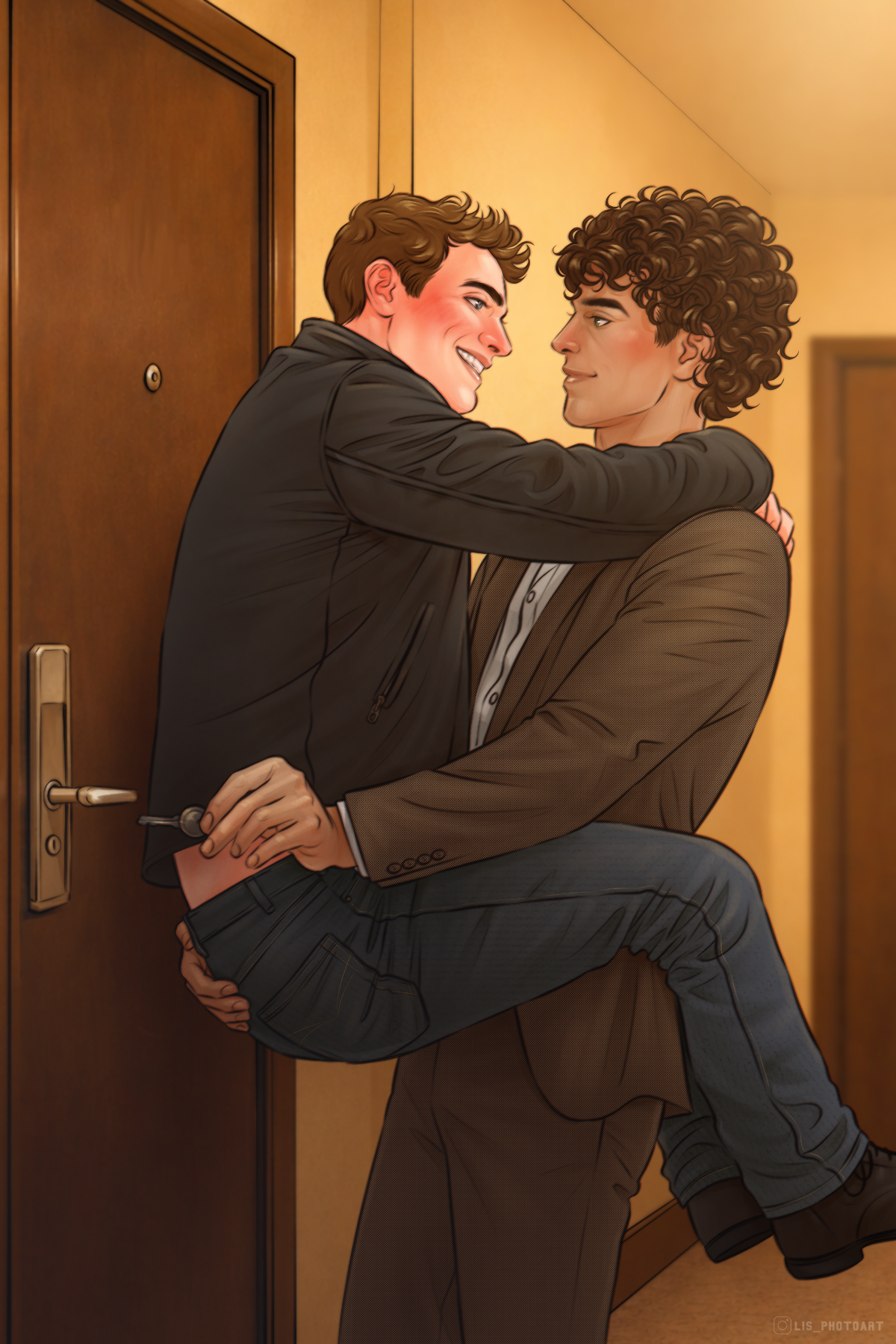
(Yeah, I guess that is not a very creative title.)
Lots of announcements this month, and my head is full of revisions. Mostly I want a chance to show you guys this top secret project I’ve been working on since I got back from Booked Eau Claire a few weeks ago.
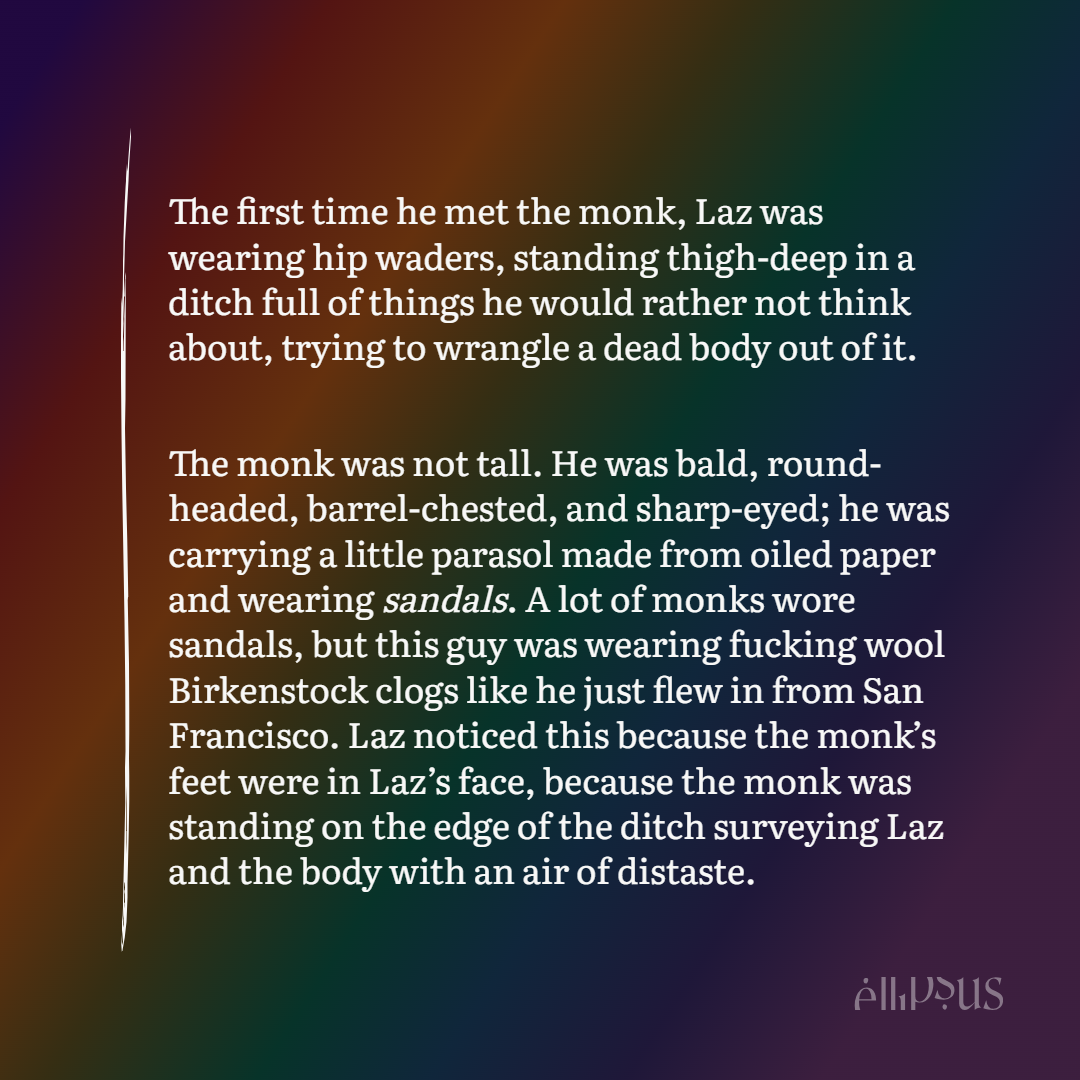
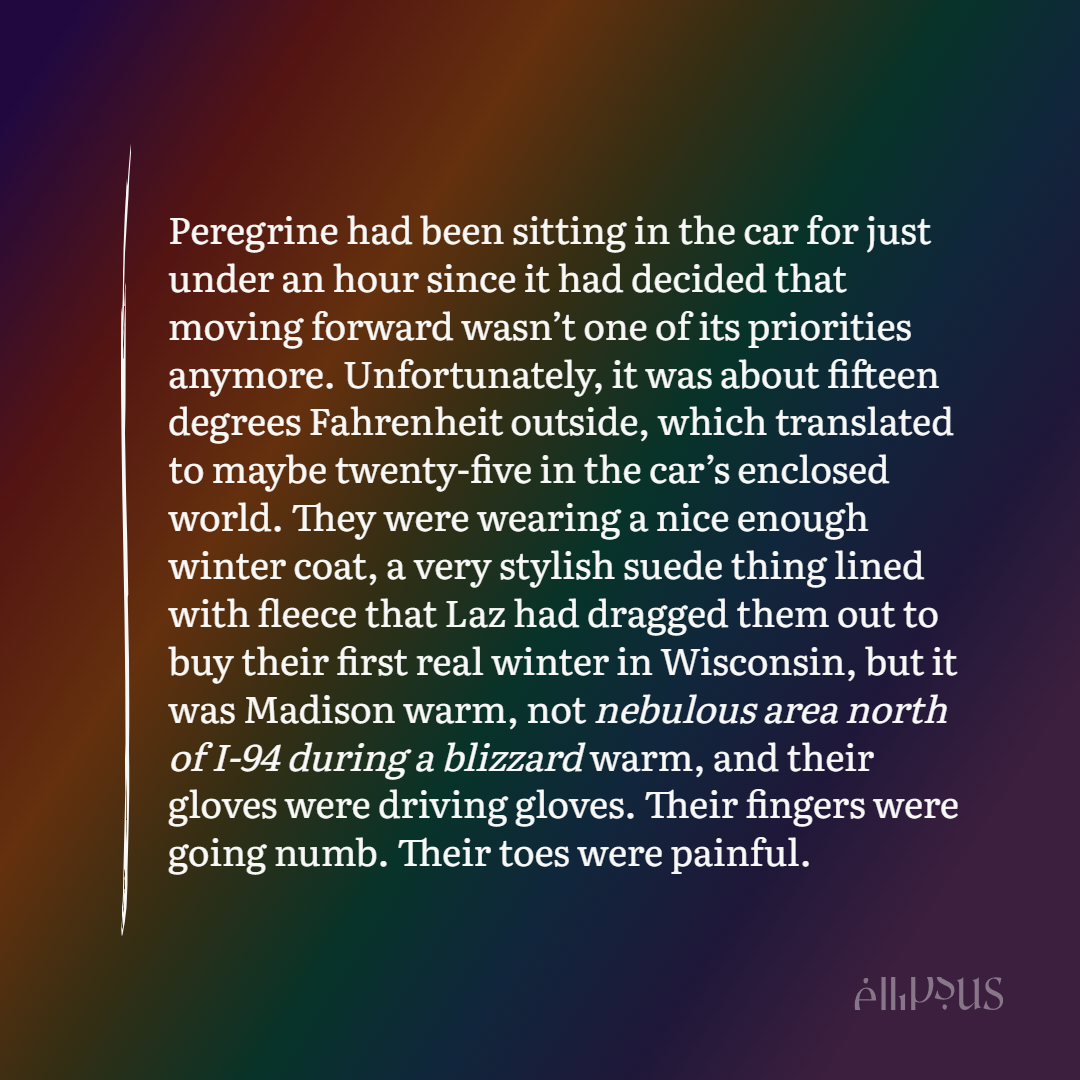
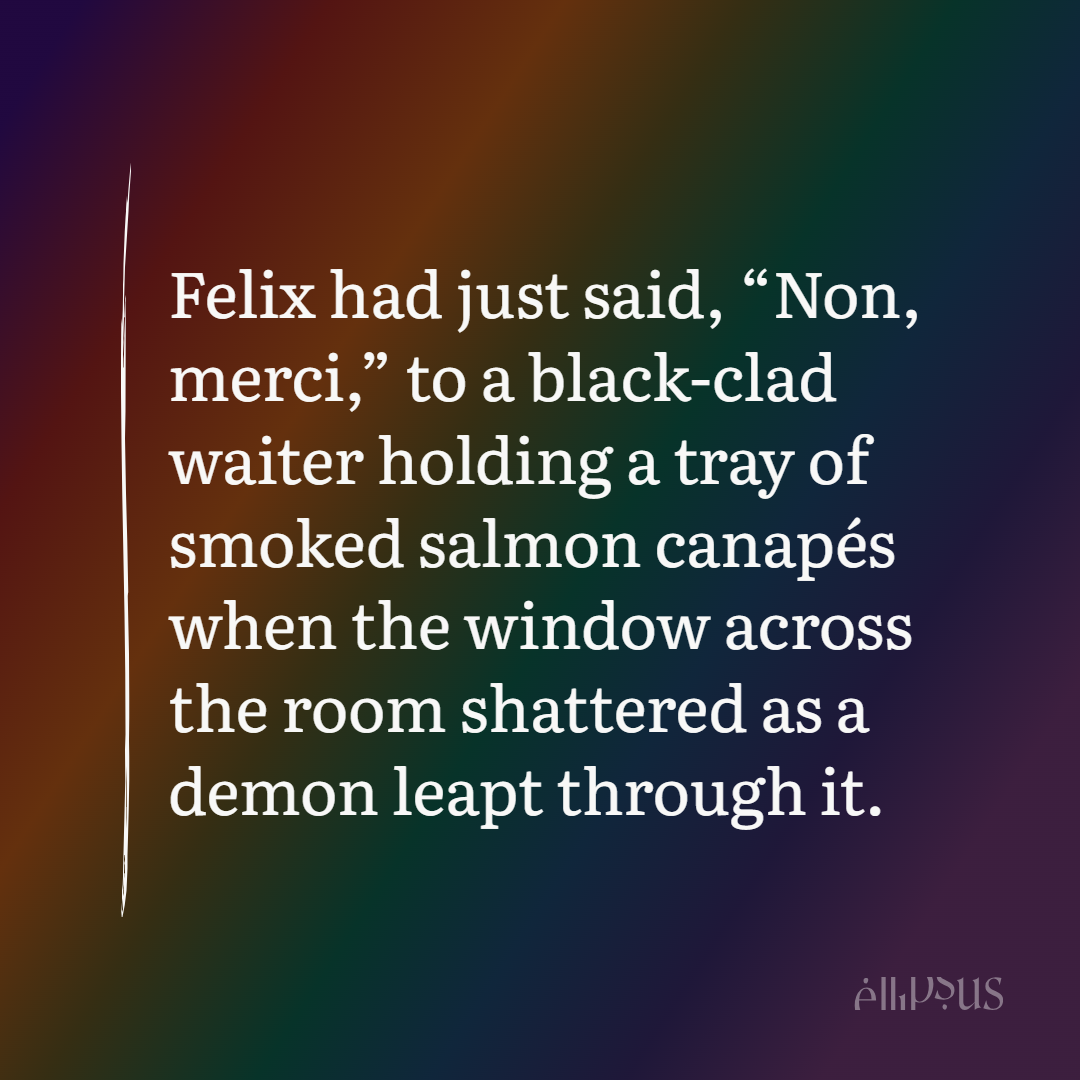
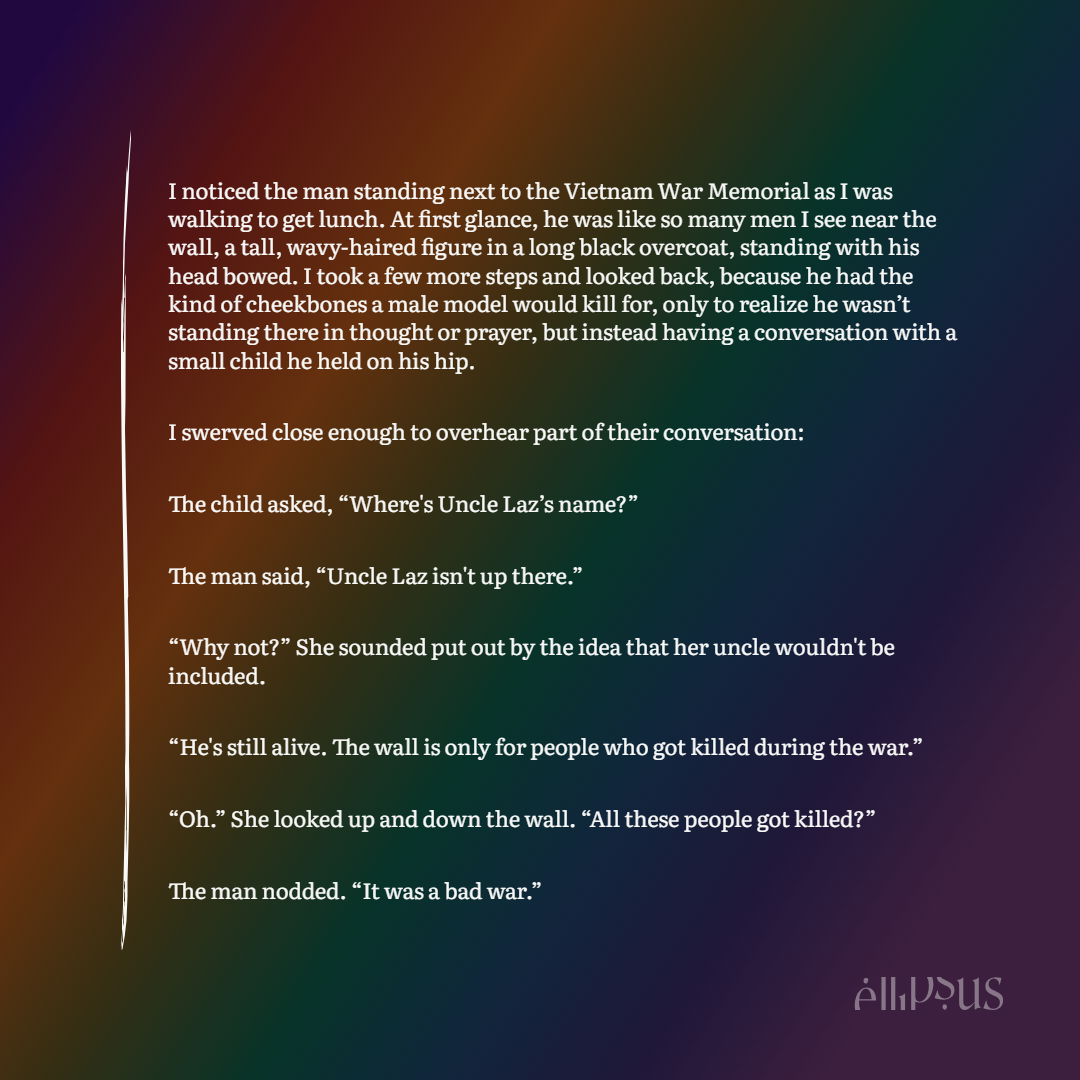
At the time, I had a discussion with a friend about ways of explaining books to people. The Wisconsin Gothic series doesn’t really benefit from a lot of the popular methods people use to sell romance novels online. They’re not trope-driven, the characters are unfortunately too nuanced to fit into broad categories, and the genre is a blend that cannot be easily picked apart. So I have turned to the power of iconography.
Dr. Jesse and I did a whole podcast about this back in the day that I highly recommend. A not-very-good summary might be that people combine the power of different images and symbols to create new images that tell an informed viewer something. So memes, for example, harness well-known pictures coupled with new text (often in the form of common or slang aphorisms, or sometimes in a stylized format used by the meme that references its original form) in order to make a point about how those two things relate. It’s fun.
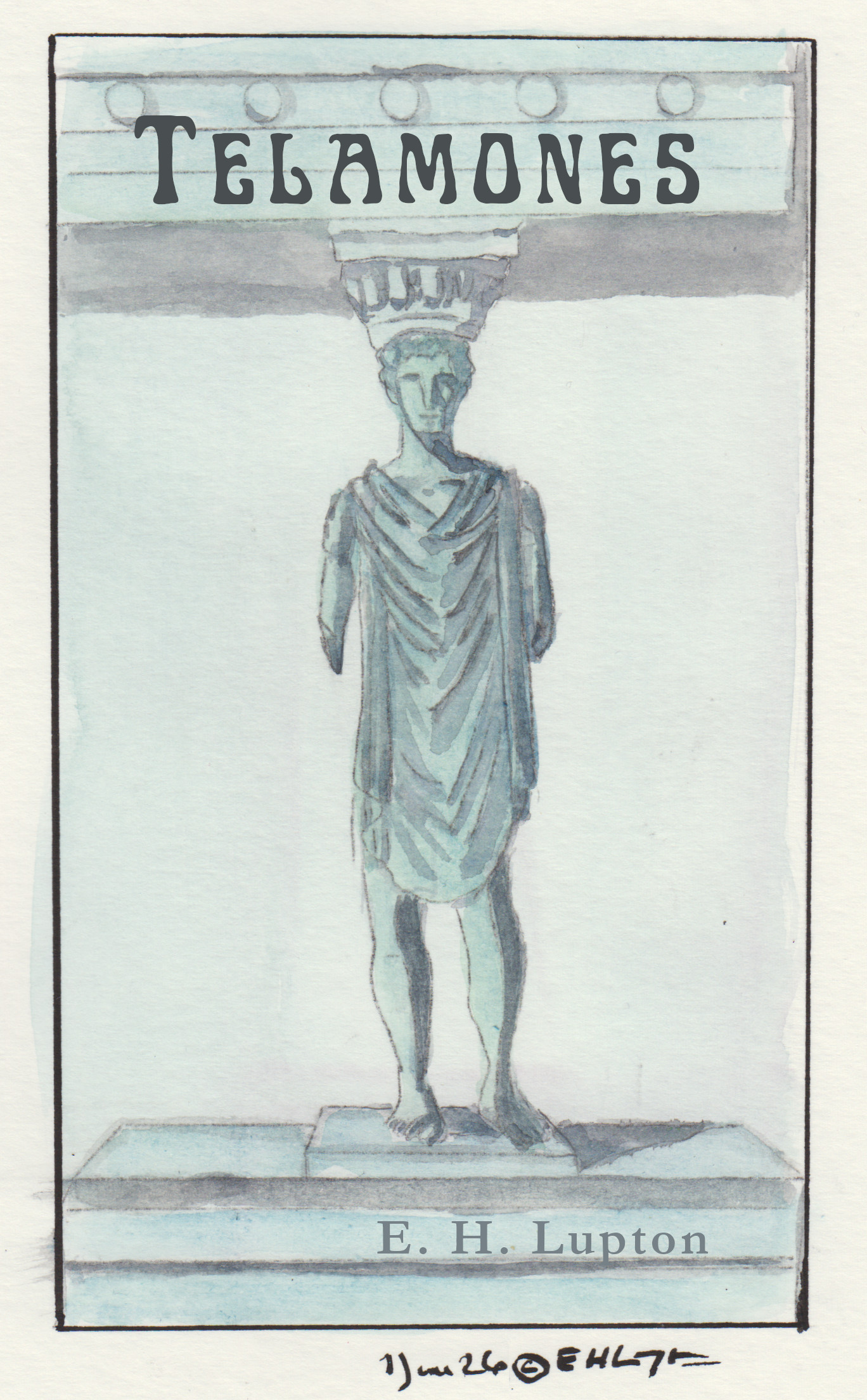
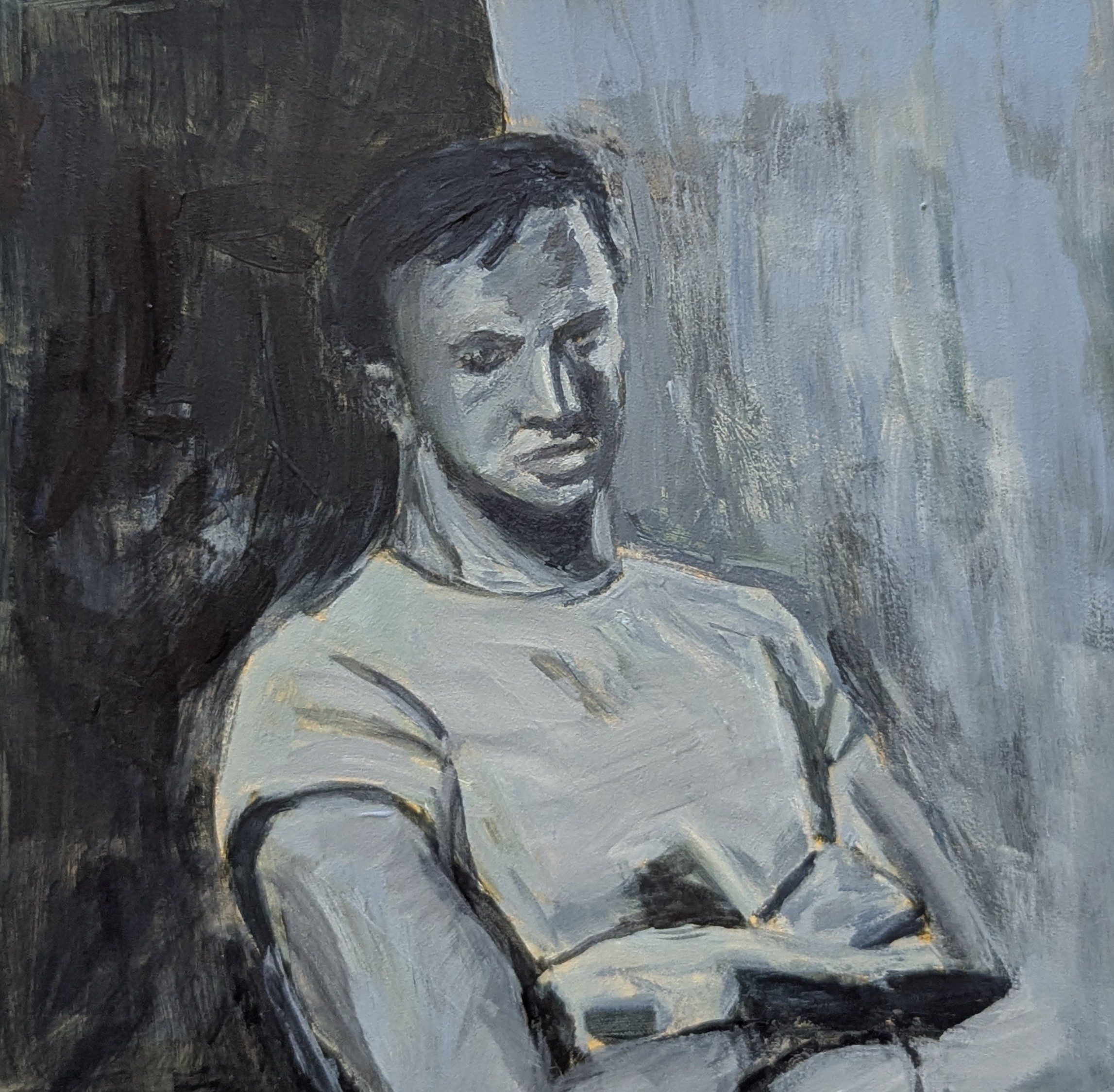
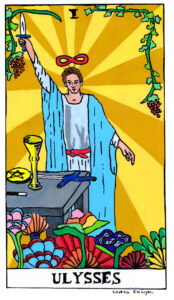
Anyway I’ve been painting characters from the Wisconsin Gothic books as Riders-Waite Tarot Cards. Here’s the first one. I’m going to possibly look into making nice prints of these, so if you’re interested, let me know.
(Does this really solve the problem of explaining the book? Probably not for most people. But what the hell—someday the sun will go out, so we all gotta get our kicks while we can, I reckon.)
Too Many Announcements
I wrote an essay about the confluence of 9/11’s 25th anniversary and the 250th anniversary of America, and you can read it here.
This weekend, I will be at Rainbow Space Magic Con! On Saturday, I will do a reading (starts at 3:30pm central), and on Sunday, I will be on a panel about finding a writing community when you have constraints (starts at 11:00am central). Will I read something from Renaissance or something from The Whole Wide World? I don’t know yet! But it’s free to attend and online—register here.
After a little sabbatical, we have started posting episodes of Ask a Medievalist again! Check out episode 101, on St. Augustine, here or in your podcast player of choice. We have upcoming episodes on the Uffington white horse and the Nazca lines!
Dionysus in Wisconsin has been included in a curated collection of 20th Century Historical Romance novels! Click here for the whole group. There’s a nice mix of queer and het romance, and while I haven’t read all of them, the ones I have read were great. So go check those out if you are in the market for a new read.
Also, you can get 15% off a paperback of Dionysus in Wisconsin through the Historical Romance Sampler’s collection on Bookshop.org. Click here and use the code Book15 at checkout. Which reminds me, I was on the podcast The Historical Romance Sampler! You can find my episode here, or in your podcast player of choice. I read about ten minutes from DIW and then talk about Dionysus as a revolutionary figure, The Bacchae, and 1969/1970 in Madison.
Book Reviews
I’ve had sort of middling luck with books this month, so rather than give reviews of books I feel mid about, here are some short pieces I really enjoyed.
Sheehan, Jason. “How I Discovered Philly’s Most Successful Cookbook Author Doesn’t Actually Exist.” Philadelphia, the special issue, 27 July 2024. https://www.phillymag.com/restaurants/2024/07/27/ai-cookbook-author/ Certainly the funniest food writing I have read since Geraldine DeRuiter’s review of Bros (which, for reference, is here)
Chu, John. “If You Find Yourself Speaking to God, Address God with the Informal You.” Uncanny Magazine, issue 47: 5 July 2022. https://www.uncannymagazine.com/article/if-you-find-yourself-speaking-to-god-address-god-with-the-informal-you/ I feel like this was very talked about when it came out, and later it won…a Nebula, maybe? (Also an Ignyte and a Locus.) But I just read it, so lucky me. It was great. And here is the thing: I have been lifting weights at least a few times per week since I met my husband, and the guy who wrote this story really understands the dynamics of a weight room. Always love it when an author has insider knowledge of the things they’re writing about.
Fall, Isabel. “Helicopter Story.” Clarkesworld Magazine, 1 Jan 2020. https://isabelfall.neocities.org/Isabel_Fall_-_I_Sexually_Identify_as_an_Attack_Helicopter.pdf This was really controversial when it came out, and the author was bullied not just off the internet, but I think out of transitioning. Which is a pity, because it’s really really good. I will never forgive the people who were assholes to her.
Stryker, Susan. “My Words to Victor Frankenstein above the Village of Charmounix: Performing Transgender Rage.” GLQ 1, no. 3 (1994): pp. 237–254. https://www.sas.upenn.edu/~cavitch/pdf-library/Stryker_My_Words.pdf Finally, this is a piece of autotheory I found very engaging (and although in some ways dated, in many ways incredibly relevant to “Helicopter Story” above). (Trigger warning for trans- and homophobia.)
Also, while I don’t generally watch television, I’ve been caught by the show Ride or Die. Hannah Waddingham as an assassin and Octavia Spencer as her best friend? And they solve (and do) crimes? Yes, please. Go watch it before Prime burns all records of it existing.
Final Note
In many places in the US, early voting for the midterm elections has already started. (Not in Wisconsin, but I don’t know if the next newsletter will come out before the election.) If you are eligible, I encourage you to make sure you’re registered to vote and then go do it. Make your voice heard!