The book I have been calling the new novel, as though I was suddenly going to decide I hated the title The Whole Wide World, has gone to my editor for developmental comments. This is the stage where one takes a terribly crumpled piece of knitting that is full of badly tensioned stitches and sends it to someone who has not been staring at it relentlessly for four months, and one gets back a plan for how to block it into shape.* I often get pretty anxious at this point. The structure of the novel is there, and most of the words are in decent shape, but it feels too tight in some places, too baggy in others, and I keep wondering if I could make the ending better. And so I repeat to myself: You set the process up to be like this. All art goes through an ugly stage, but if you keep working, you’ll come out the other side.** Now trust the process.
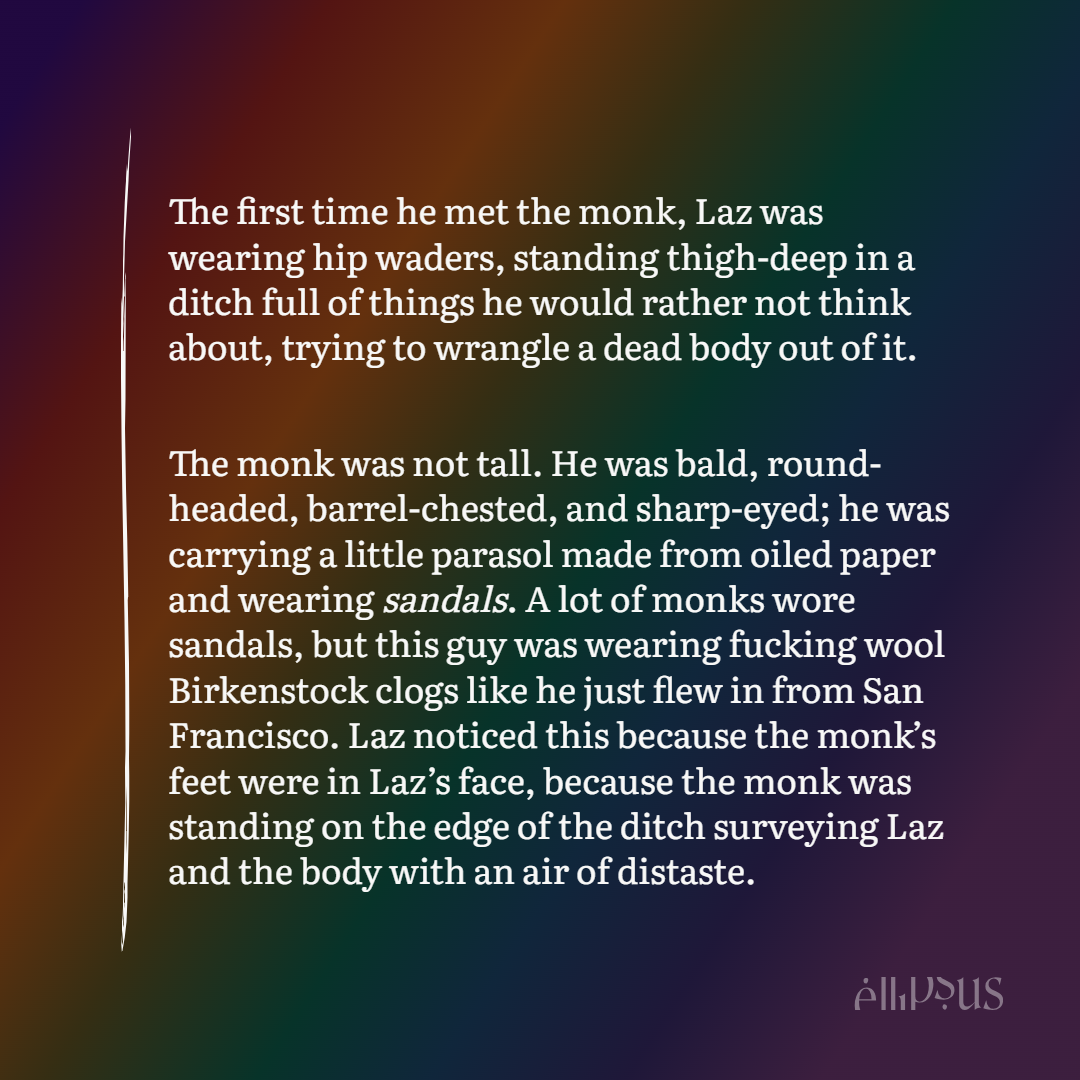
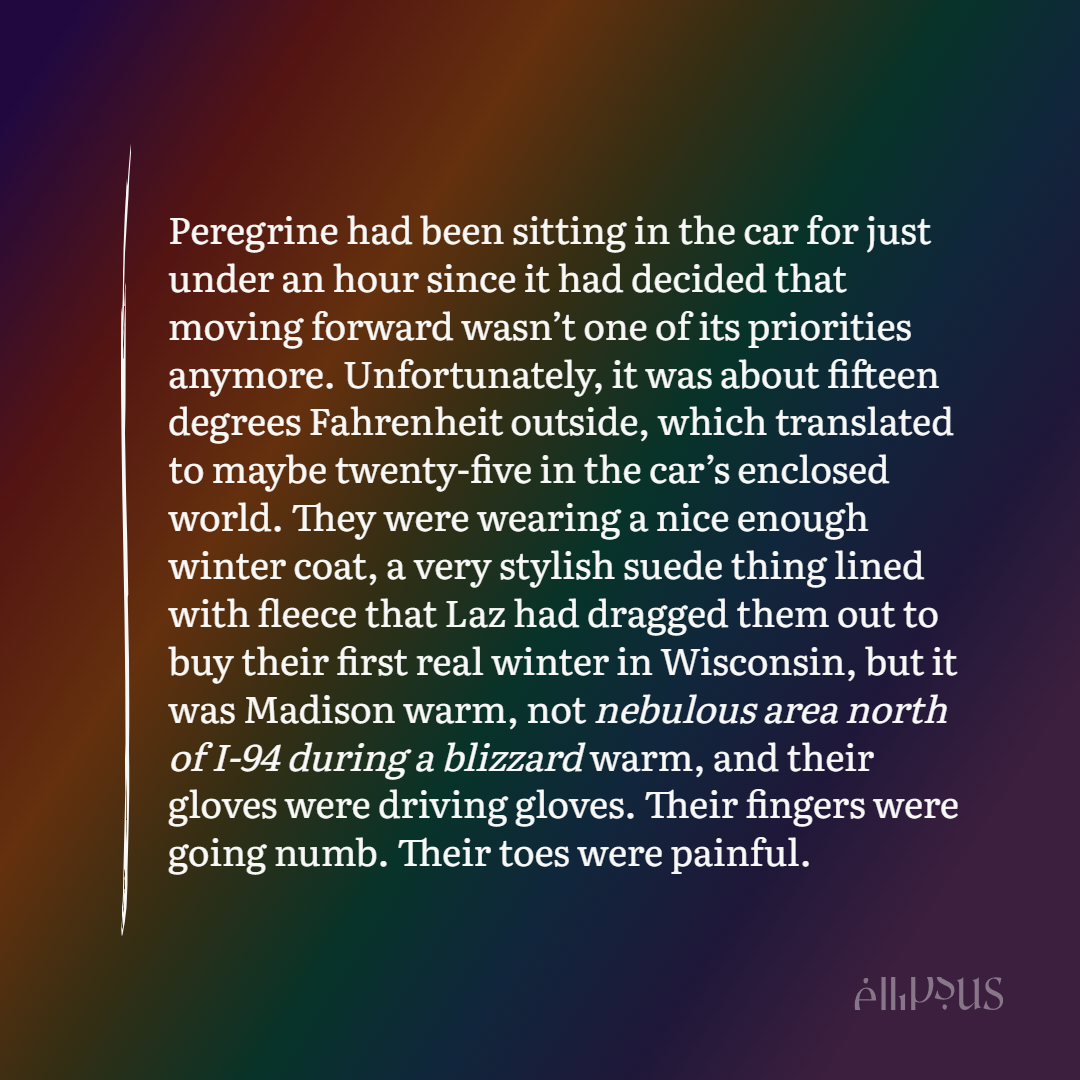
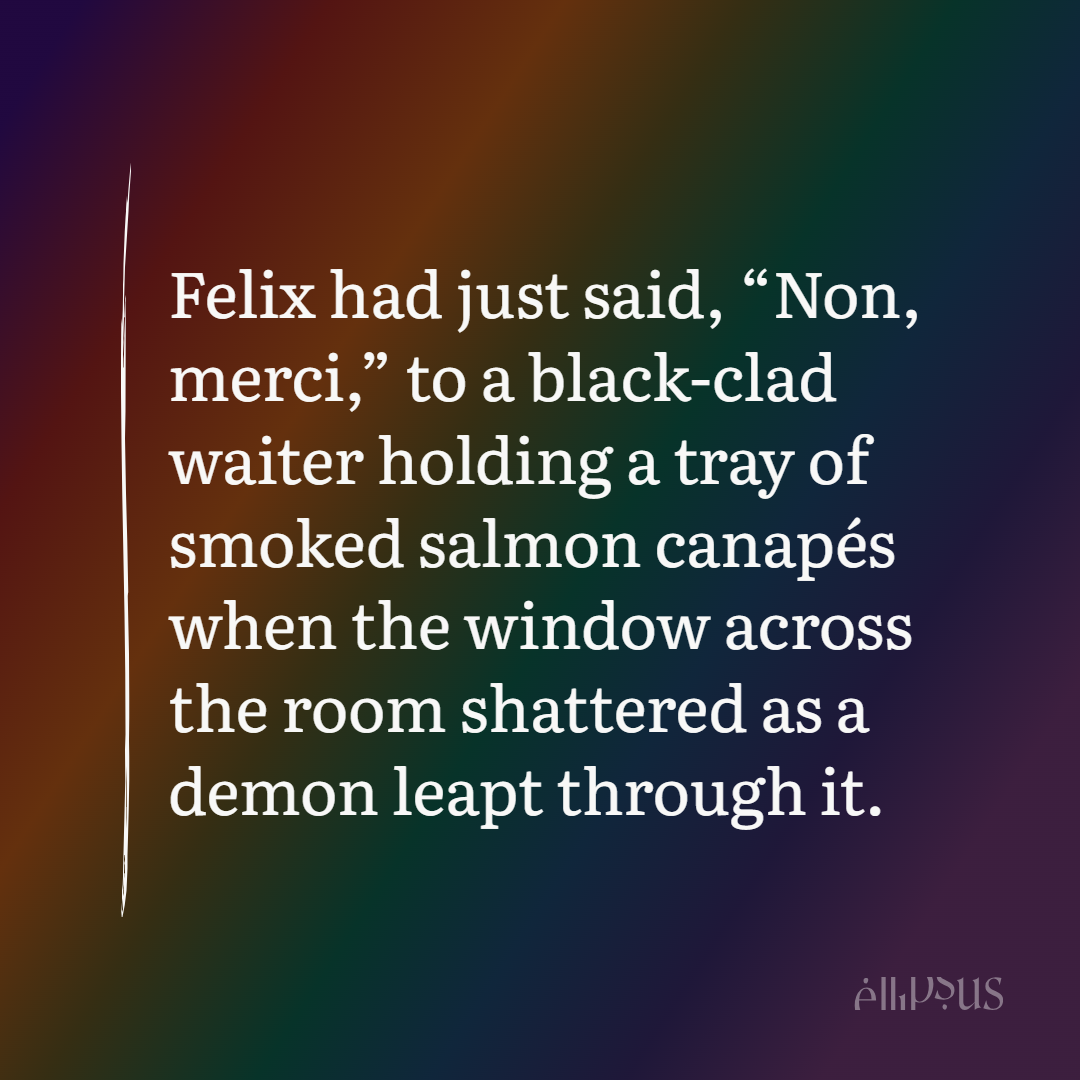
In the meantime, I have been painting and working on short things. I thought it would be fun to give you a taste of some of these, since they’re all Wisconsin Gothic related, and give you a sense of what happens when my wheels start spinning aimlessly. None of these have titles yet, and they are all in various stages of completion. They are not, arguably, even the same genre–there’s a mystery, a romance, a horror/romance, and a combination New Yorker profile/gonzo journalism piece. Maybe someday I’ll even finish one of them and you’ll be sorry all get to read the whole thing.
*apologies to knitters for this metaphor.
**when I say all art, I mean all, not just novels. If your painting looks weird, keep going. If the yarn seems to be doing weird things or the embroidery isn’t sitting right, don’t stop. You will find your way to beauty.
Announcements
The audiobook of Dionysus in Wisconsin is out! Interestingly, unlike ebooks, where the price I set is the one shown on every website, all the sites selling the audiobook seem to have it for a different price. I cannot explain why, either; I have little insight into the process. I actually have almost no reporting yet, either. If you put an ebook up on Amazon, you will find out within forty-eight hours if you have sold any copies. But it has been three weeks since I pushed the button to publish the audiobook, and although I’ve heard a few good reviews from early listeners, I have no idea how many copies have been sold or streamed. I don’t even know how much money I make off a single copy, either—no one seems to want to get into specifics. If you have listened already, I hope you enjoyed it! And for everyone else who’s interested, I have links:
- Libro.fm
- Audible
- Audiobooks.com
- Spotify
- It’s available on Amazon…I think the price is different, which I do not understand since Amazon owns Audible.
- I will add others to the list at WinnowingFanPress.com as I receive/find them.
Appearances
I will be at Booked Eau Claire on September 18–19 in Eau Claire, Wisconsin, at the Lismore. Book sales run 8:30-2:30pm both days, and I’m sitting on a panel called “On the Agenda” about the importance of LGBTQ representation in literature. You can check the schedule here. You can use the code BEC2026 to get 15% off tickets until September 10th. If you are in the area and want to say hi/get a book signed but you’re not into paying to get in, I’ll be having office hours at the Acoustic Café on South Barstow from 3-4pm on Friday (and maybe a bit later on Saturday—depends on hotel check-outs and such–send me a note if you really want to hang out Saturday afternoon, and keep an eye on my Bluesky for changes).
I will be on the podcast The Historical Romance Sampler on Sept. 21st, reading an excerpt from Dionysus in Wisconsin and talking about why Dionysus is the best deity for the 1960s. Check your podcast app. (And I think YouTube? We did record this visually and acoustically.)
I will be at Rainbow Space Magic Con on October 3-4, doing a reading and sitting on a panel about building writing community. Schedule isn’t out yet, but check their website for updates. It’s free to attend and online!
Book Reviews
Wings of Fire (the series), by Tui T. Sutherland. I have mentioned these before, when I asked my then-8yo to recommend some books for kids (see the book reviews section here). At the time, I had not read any of them; now, thanks to my kids discovering audiobooks and a roadtrip, I have listened to books 2–5. As I said last year, they were pitched to me as “Game of Thrones but with dragons,” and that is…much more accurate than I expected. They cover topics like fate vs free will, dealing with the trauma of a difficult upbringing, bad parents and good, even bigotry and unethical medical experiments. And there are a lot of somewhat grisly murders. I’ve been surprised. And occasionally found myself listening ahead, because of cliffhangers. Don’t tell my kids.
Heartbreaker (M/F, both cis), by Sarah MacLean. Look, never let it be said that Sarah Maclean doesn’t know how to begin a novel. (This one starts with a brawl during a wedding and continues with a meet-cute-while-breaking and entering.) The Hell’s Belles series is more of an extended proto-feminist revenge fantasy than strictly accurate historical romance, but I find I don’t care that much–I just love a lady with a knife in her pocket. Like all of MacLean’s books, she doesn’t let it get at all gender-bendy (sadly), but I do love a heroine who can fight and gets to.
The Romantic Agenda (two M/F couples, both of which have one asexual partner and one allosexual), by Claire Kann. Malcolm is in love with Summer. Joy is in love with Malcolm. Summer has brought Fox along on the group camping trip for some reason. So Fox and Joy decide to fake date in order to make Malcolm and Summer jealous. Probably the most interesting part of this book is that the disruption within Malcolm and Joy’s long-term friendship (queer platonic relationship, really) is taken as seriously as the fledgling relationship Joy and Fox are figuring out.